June 8, 2026
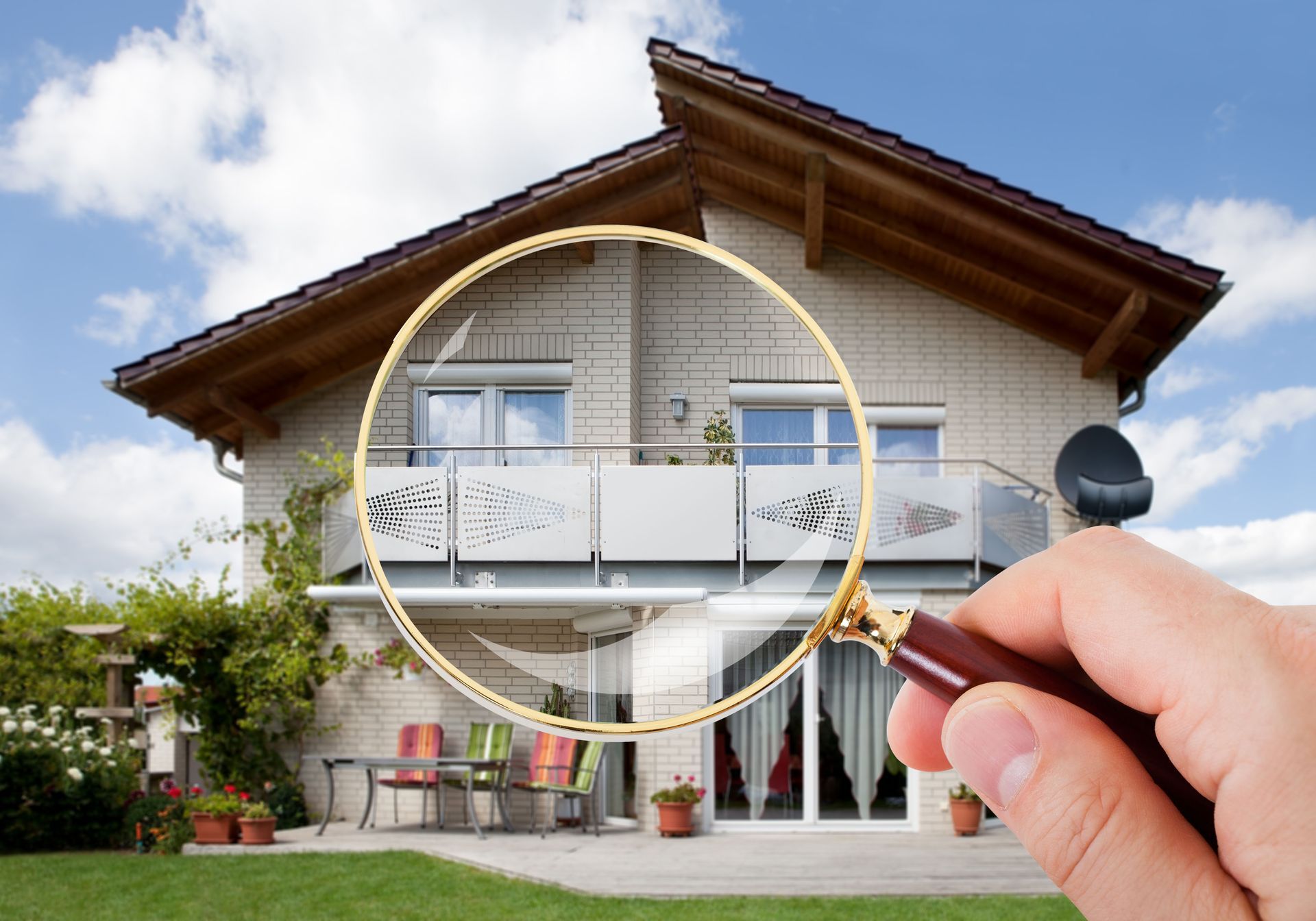
Maintaining the integrity of your home starts from the top down, meaning your overhead structural shield requires consistent attention and care. Many homeowners tend to overlook the structural health of their properties until a visible leak or a fallen branch causes immediate distress. Taking a proactive stance by arranging a comprehensive evaluation can prevent minor structural flaws from expanding into catastrophic compromises. Property owners must realize that an assessment from a qualified professional is not an unnecessary expense, but rather a strategic measure to preserve their long-term real estate investment. Understanding the complete sequence of events during this process helps reduce anxiety and prepares individuals for the collaborative efforts required to keep their shelters safe.
When you schedule an assessment, you are engaging with an expansive field of specialized construction experts dedicated to property preservation. According to IBISWorld, the market size of the roofing contractors industry in the United States is $99.8 billion in 2026. This substantial economic evaluation underscores how critical property maintenance has become across the country, showing that millions of property owners trust specialists to protect their investments. Navigating this vast industry means locating dependable local roofers who can offer personalized guidance tailored to regional weather patterns and unique architectural needs. By recognizing what goes into a standard evaluation, you can enter the process with total confidence.
Preparing the Property Before the Visit
Your proactive engagement begins even before the evaluator arrives on site to begin the assessment. Property owners should start by clearing the perimeter around the house, ensuring that vehicles, patio furniture, and children's toys are moved a safe distance away from the structural roofline. This step gives the inspectors unobstructed space to set up ladders and specialized equipment while minimizing the risk of accidental property damage during the evaluation process. Additionally, clearing these exterior zones allows the crew to move efficiently around the perimeter without encountering unnecessary safety hazards.
Internal preparation is equally important when getting ready for a comprehensive physical evaluation. You should ensure that access entryways to your attic space or crawlspaces are completely unlocked and clear of storage boxes or seasonal decorations. Because structural technicians often need to view the underside of your decking material to check for water stains or structural sagging, a cluttered attic can severely hinder their diagnostic capabilities. Taking a few moments to secure your pets indoors and verify that your driveway is open creates an optimal environment for local roofers to perform their duties seamlessly.
Conducting the Exterior Perimeter Walk
The physical evaluation generally kicks off with an exhaustive ground-level assessment of the entire building exterior. During this phase, the technician slowly walks the perimeter of the residence to inspect the siding, downspouts, and foundational grading for signs of water mismanagement. They look closely for fallen shingle granules in the dirt or yard, which often indicates that the top protective layer of your shielding material is beginning to erode. This initial perspective helps the evaluator identify systemic drainage issues before they even step foot on a ladder.
While exploring the ground boundaries, the specialist also checks the alignment of the gutter system and examines the soffits for signs of rot or pest intrusion. Gutters that sag or pull away from the fascia boards can cause water to back up under the bottom edge of the shingles, leading to severe localized rot. These exterior observations give the technician an excellent baseline understanding of how your water shedding systems handle heavy rainfall. This foundational knowledge allows local roofers to pinpoint vulnerable zones that may require extra scrutiny during the elevated portion of the visit.
Ascertaining Elevated Surface Material Conditions
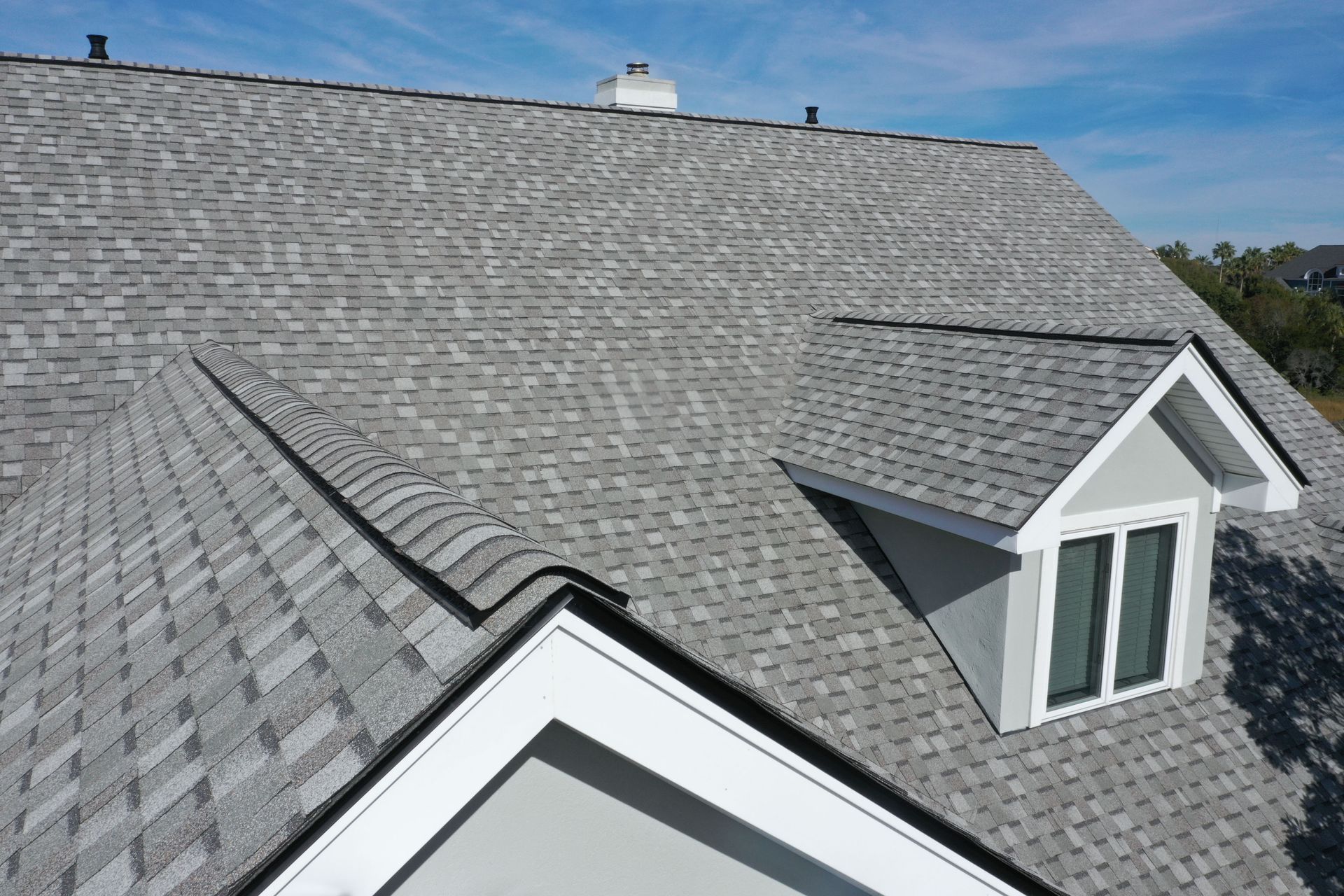
Once the ground-level evaluation wraps up, the technician carefully climbs a secured ladder to begin the elevated phase of the inspection. This critical stage involves a meticulous, foot-by-foot examination of the primary surface materials across every single slope and valley. The inspector checks for common defects such as cracked tiles, curled shingles, or missing sections that might expose the underlying waterproofing barrier to harsh weather elements. Every square yard of the upper structure is evaluated to determine if the materials are approaching the natural end of their functional lifespan.
Beyond the primary covering materials, special focus is directed toward the valleys where different slopes intersect to channel rainwater. These high-volume drainage paths are highly susceptible to premature failure if debris accumulates or if the installation was handled improperly. The specialist will gently apply pressure to suspicious areas to detect soft spots in the underlying wood decking, which usually signal active wood rot. Relying on seasoned local roofers for this elevated process ensures that subtle surface defects are caught before they transform into major structural emergencies.
Assessing Integrity of Flashing and Penetrations
Another crucial component of the high-level examination involves looking at the metal flashing elements installed around structural joints. Flashing is designed to divert water away from critical transition zones, such as the areas surrounding chimneys, skylights, ventilation pipes, and dormer walls. The technician closely reviews these metal strips to ensure they are not rusted, warped, or separating from the adjacent masonry or shingles. If the sealant around these metal components has dried out or cracked, water can easily seep into the interior framing.
Penetrations through the upper surface represent the most common locations for interior leaks to develop over time. The rubber boots surrounding plumbing vent pipes are particularly vulnerable to UV degradation and ozone cracking, which can compromise their watertight seals within just a few seasons. The inspector will verify that all ventilation hoods are securely anchored and free of bird nests or leaf blockages that could restrict airflow. By verifying the condition of these penetration seals, local roofers can help you avoid unexpected water intrusion during future storm events.
Investigating Internal Attic Spaces for Damage
A truly comprehensive evaluation cannot be completed solely from the outside of the building structure. The technician must venture into your attic space to examine the interior framework and the underside of the structural wood decking. By turning off flashlight beams momentarily, the inspector can search for tiny pinpricks of daylight showing through the roof boards, which reveal hidden holes that require immediate patching. This interior vantage point provides undeniable proof of how well your top shield is performing against the elements.
This interior step also allows the inspector to check for signs of past or present moisture trouble, such as dark water stains, white powdery efflorescence, or active mold growth on the rafters. The technician will also evaluate the depth and distribution of your attic insulation to ensure it is not blocking the intake vents along the eaves. Proper attic ventilation prevents heat and moisture from building up beneath the roof deck, which can bake the shingles from below and cut their lifespan in half. Trustworthy local roofers know exactly how to balance insulation and airflow to maintain ideal structural conditions.
A professional roof inspection is a systematic, highly detailed process that leaves no stone unturned when evaluating your home's topmost protective layer. From the initial perimeter walk and elevated surface checks to the deep dive into attic ventilation and structural framing, each phase serves to protect your property value and provide long-term peace of mind. Investing time in routine structural maintenance prevents small anomalies from turning into budget-breaking disasters down the road. When you are ready to ensure your home remains safe and secure through every season, reach out to the dedicated professionals at Ransom Roofing.